01
Observe before intervening
Document natural behavior through low-impact field study, archived camera networks, and careful long-term comparison.
An unprecedented study of a neighboring reality: its landscapes, vanished civilizations, extraordinary wildlife, and the celestial beings known as starborn.
We study the Realms to understand them—not to claim them.
The Realms Research Program is an interdisciplinary project of the Andrion Fantastical Creature Research and Rehabilitation Center (AFCRRC). Following the discovery of a stable fracture between realities, generations of researchers have documented an ecosystem unlike any known on Earth. Our current field team combines biological, archaeological, geological, and behavioral expertise to investigate the Realms while minimizing disturbance to their inhabitants.
“The unfamiliar is not ours to conquer. It is ours to approach with patience, humility, and care.”
Guiding principle · Realms Research Program
Document natural behavior through low-impact field study, archived camera networks, and careful long-term comparison.
Study the relationships among light, darkness, geology, ecology, and the beings whose lives depend on them.
Treat sapient inhabitants with dignity and preserve sensitive sites, habitat information, and fragile environments.
Our work ranges from the behavior of living celestial beings to the history of a civilization whose ruins still shape the landscape.
Communication, social learning, individual recognition, movement, and relationships among starborn of different life stages.
Read species research →Light reserves, vessel composition, energy-based illness, darkness contamination, recovery, and mortality patterns.
See research summaries →Architectural reconstruction, everyday artifacts, the history of the former inhabitants, and surviving structures.
Meet our archaeologists →Mineral formations, landscape history, and the environmental signatures of light and darkness.
Meet our geologist →Habitat use, interspecies interactions, predation, and the persistence of wildlife in altered ecosystems.
Read field reports →Evidence that some individuals reappear after terminal tracking events near Eden; the mechanism remains unverified.
Review hypothesis →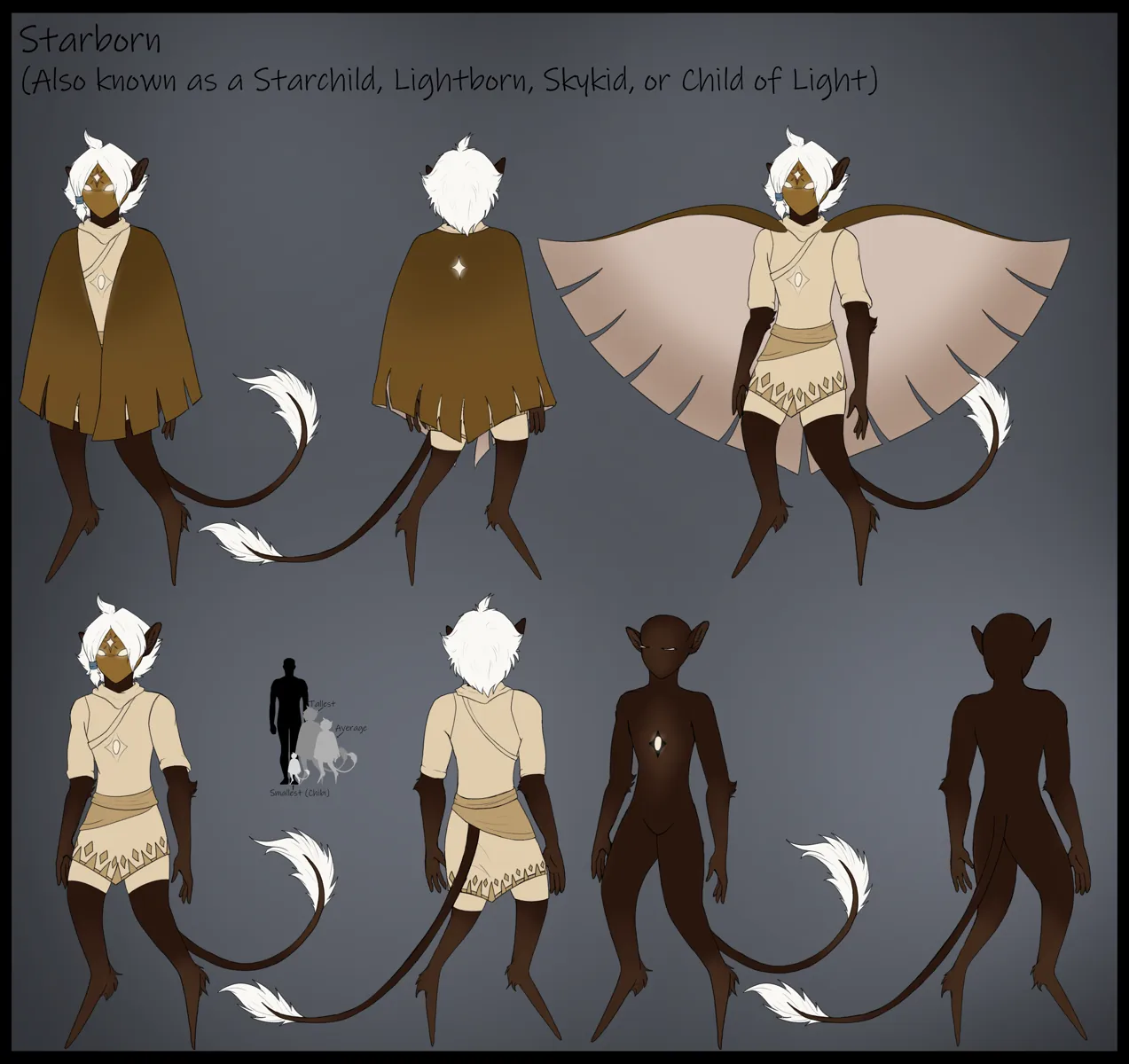
Small, ageless beings animated by an internal source of light, starborn are among the most remarkable inhabitants of the Realms. Their masks, capes, and bodily forms do not conform to ordinary biological categories. Their rich social lives and capacity for learning have reshaped the program’s understanding of intelligence and personhood.
Current protocol recognizes starborn as intelligent beings, not wildlife to be captured or handled for routine study.
Explore observed individuals ↗Six researchers bring different specialties to the same questions. Select a profile to learn more about their responsibilities and work in the Realms.
Names below are human-language impressions of distinctive energy signatures, not spoken names. The profiles reflect encounters around the research station and nearby starfire shrine.
For our broader species-level findings, see the Starborn research overview.
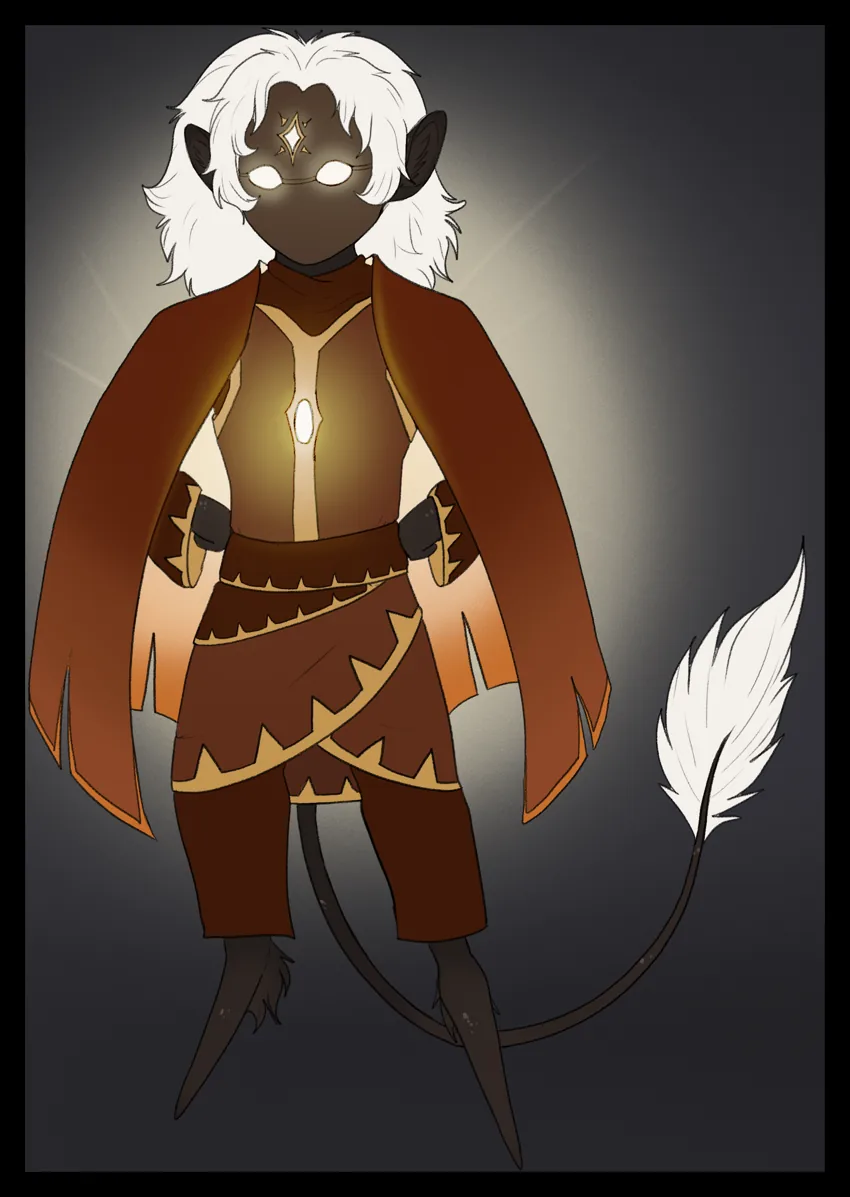
Also called “Little Red” in early field notes. An exceptionally experienced individual often appearing at the research station and neighboring shrine. Varadi’s voluntary interest in the camp has opened new avenues of communication.
Frequently observed · Consenting participant in communication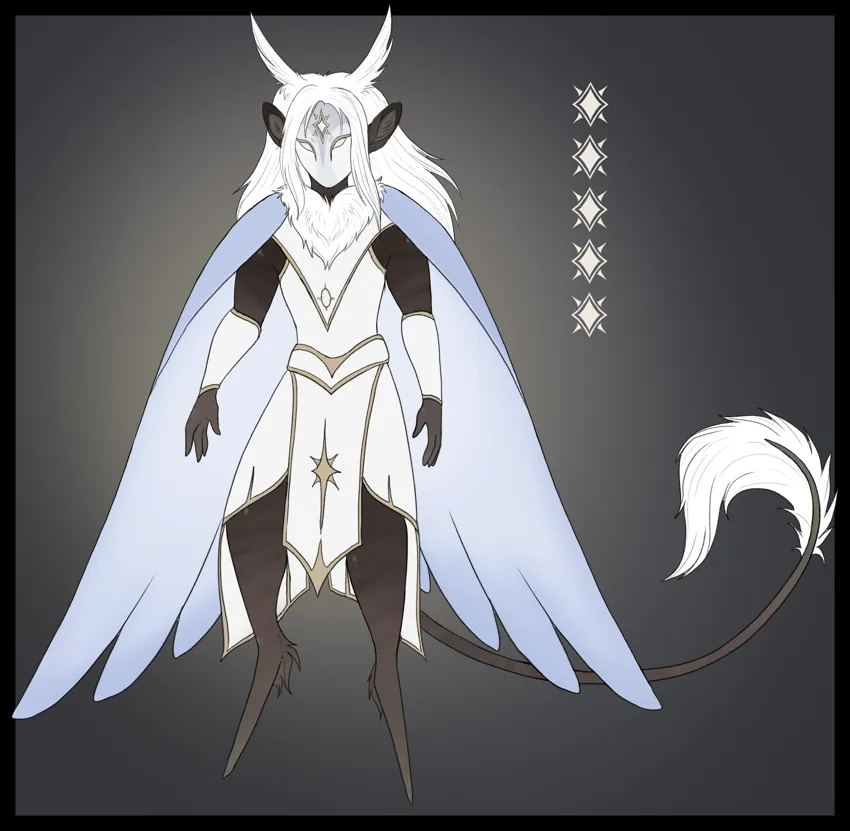
Initially recorded as “Owl-Tuft.” Recognized by distinctive head tufts, pale attire, and a remarkably soft-looking neck ruff. Often seen near Varadi; now occasionally studies the researchers as attentively as they study the Realms.
Frequently observed · Communication established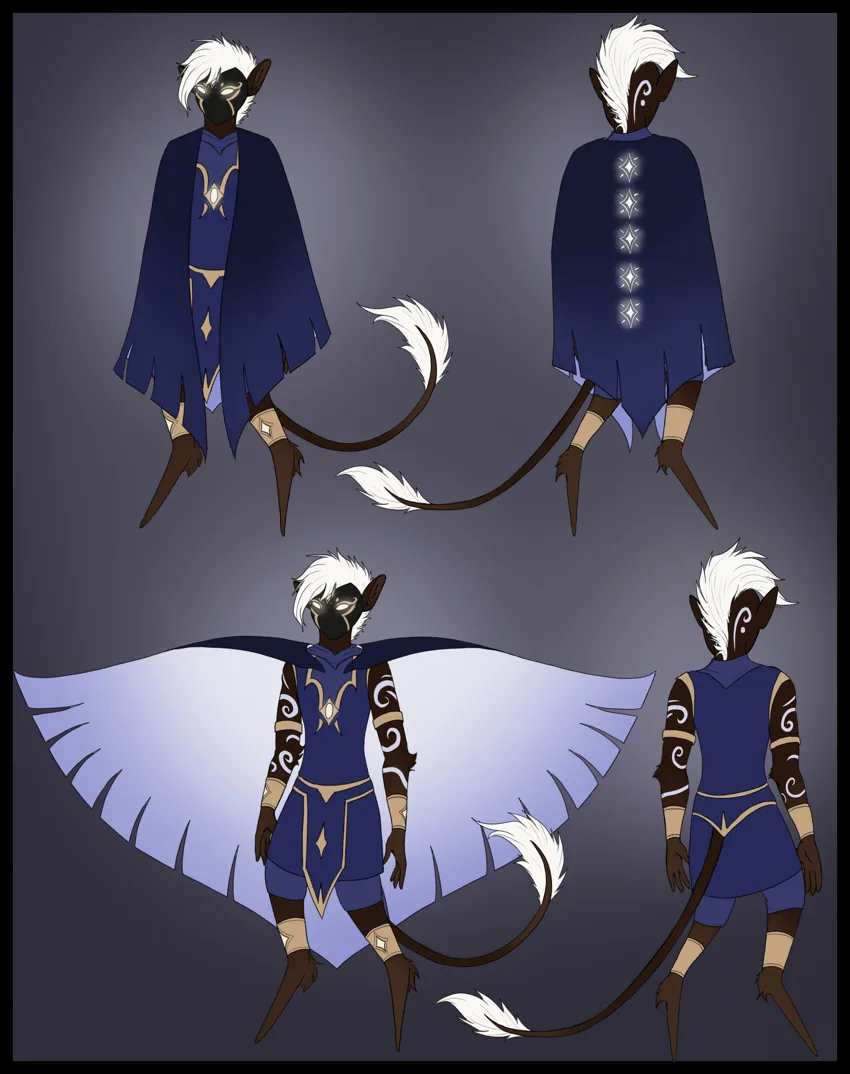
Known first as “Blue-Cape.” A cautious visitor who generally approaches humans only in Varadi’s company. Zatuyu’s distance is respected; no attempt is made to force contact.
Regular visitor · Non-contact observationAccessible summaries of ongoing inquiries and significant observations. These are illustrative public-facing abstracts, not links to externally published papers.
Historical tracking-band observations revealed not only patterns of movement and mortality but widespread sharing of practical knowledge. The banding program ended approximately three decades ago, after subjects began removing and storing the bands.
Historical records include individuals recognized after apparent terminal events near a particular area of Eden. Researchers suspect a location-dependent mechanism of continuity or renewal, but cannot yet establish what occurs beyond the accessible observations.
Extended non-coercive contact with Varadi and Tohon has yielded observations of rapid language acquisition, symbolic communication through devices, and the transfer of an identity impression through offered light.
A critically injured spark, Rova, was brought to a shrine by another starborn. Medical treatment was undertaken because of the immediate threat to life. Rova did not survive, underscoring the limits of current understanding and treatment.
The program’s practices have evolved with its understanding of the starborn. Scientific curiosity does not override the autonomy or safety of the beings we encounter.
Approximately eight decades of camera-based documentation established a foundation for research.
A five-year tracking study produced consequential data and was subsequently discontinued.
Non-interference near shrines, voluntary interaction, and emergency response when needed.
Researchers avoid approaching or restraining starborn for routine observation. Sensitive nesting and migration details are not published. Uninvited interaction is discouraged, and apparent distress or avoidance is treated as a signal to withdraw. Emergency care may be considered when serious harm is imminent, with intervention documented and reviewed.
No public tours or unsupervised access to the inter-realm field station are offered.
Our public information office shares selected discoveries, educational resources, conservation perspectives, and research updates. Some field materials are restricted to protect inhabitants and research integrity.
Andrion Fantastical Creature Research and Rehabilitation Center (AFCRRC)
Andrion, California
Restricted to authorized research personnel
Follow research updates, community education, and public announcements. The platform links below are illustrative until official accounts are established.